Friday, August 29, 2014

Dr. Oshidar Receives Mastership Award from the International Congress of Oral Implantology

Earlier this month, our very own Dr. Oshidar received his Mastership from the International Congress of Oral Implantology (ICOI)!

The ICOI is an association of general dentists, oral and maxillofacial surgeons, periodontists, prosthodontists, endodontists, orthodontists, laboratory technicians, auxiliaries, industry representatives, researchers, faculty members, pre and post doctoral graduate dental students as well as the general public. Founded in 1972, it is devoted to providing implant education to the entire dental team to better serve its patients. The ICOI is the world’s largest dental implant organization, and also the world’s largest provider of continuing dental implant education.

In order to receive his Mastership, Dr. Oshidar had to meet the following requirements:
  • Provide a listing of forty 40 completed implant cases all of which were at least 12 months old and fully document ten cases on ICOI’s Case Documentation Form for Mastership and submit with the application
  • Provide documentation of completion of at least 100 continuing implant education hours in the preceding five years
  • Provide a letter of recommendation from a current ICOI Diplomate – which is the highest credentialing in the organization and the world
  • Submit evidence of having presented at least two  table clinics or poster presentations at ICOI meetings within the last five years or having served on an ICOI committee for a period of at least one  year or be willing to do so
  • Submit a current Curriculum Vitae
While Dr. Oshidar was in Chicago to receive his Mastership award medal, he gave a table top presentation of one of his surgeries to the Advanced Credentials Committee of the ICOI.

After watching Dr. Oshidar’s presentation, Dr. Christopher Ogunsalu – an ICOI Dimplomate – complimented him on his surgery and made the recommendation that Dr. Oshidar pursue the fast-track to obtaining his diplomacy.

Later this year, Dr. Oshidar will go to Jamaica to study with Dr. Christopher Ogunsalu and then take a written and oral exam to become an ICOI Diplomate.

Learn more about Dr. Oshidar’s credentials or call us at (908) 998-4698 to schedule an appointment!

Wednesday, August 20, 2014

Nine Things Rich People Do – The First One Will Surprise You!

Thomas Corley, the author of “Rich Habits: The Daily Success Habits of Wealthy People,” spent five years studying what rich people do differently than everyone else. (For his study he defined “rich” as someone with an annual income over $160,000 and a liquid net worth of $3.2 million or more – not too shabby!)

He then went on to define nine habits that rich people had and the non-rich didn’t. He explained that just about everyone had a few rich habits, but it would be a good idea to increase that to fifty percent. Here they are:

They take care of their smiles.
"I floss every day." Rich people who agree: 62% others who agree: 16%. After all, what good is all that money if you can’t smile every single day?

Rich people always keep their goals in sight.
67% of the wealthy actually put their goals in writing.

Rich people maintain a daily “to-do” list.
Not only do the wealthy keep to-do lists, but two-thirds of them complete 70% or more of those listed tasks each day.

TV is not important to the rich.
Most wealthy people watch one hour or less of the boob-tube per day, and only 6% watch reality shows!

Rich people read … but not necessarily for fun.
86% of rich people love to read, and most read for self-improvement every day!

They like to listen to books too.
63% of the wealthy spend their commute listening to audio books.

They make a point of going above and beyond at the office.
81% of the rich agree with this statement: "I do more than my job requires." They tend to enjoy their work as well.

They aren't hoping to win the jackpot.
Only 6% of the rich people play the lottery on a regular basis, but they are willing to take financial risks with their money when the time is right.

Rich people watch their waistline.

Wealthy people value their health and over 60% count calories every day.

At Roselle Park Dental, we may not be able to make you rich, but we can certainly help you get a “Million Dollar Smile!”

If you are due for an appointment, have a question, need help with flossing (after all, why not get some assistance with this “rich habit?”) or are concerned about any other dental needs, we are here for you! Give us a call at (908) 998-4698 today!


Wednesday, August 13, 2014

How to Choose the Perfect Toothbrush for YOU

When selecting a toothbrush there is a seemingly endless array of options to choose from! So how do you know which one to pick? The best toothbrush for you may be different than the optimal model for someone else.

In general, knowing which brushes consumers use the most frequently and have reviewed positively is a great way to get started. To narrow it down, here are the top ten best selling manual and electric toothbrushes on Amazon.com.

Manual Toothbrushes
1) Oral-B Pro-Health Clinical Pro-Flex
2) Colgate Extra Clean Toothbrush
3) Oral-B Complete Action Anti-Microbial Toothbrush
4) Colgate 360 Degree Adult Full Head Toothbrush
5) Nimbus Microfine

Power Toothbrushes
1) Philips Sonicare HX5610/01 Essence 5600 Rechargeable Electric Toothbrush
2) Waterpik WP-900 Water Flosser and Sonic Toothbrush Complete Care
3) Philips Sonicare HX6311/07 Rechargeable Electric Toothbrush for Kids
4) Oral-B Precision Black 7000 Rechargeable Electric
5) Oral-B Professional Healthy Clean + Floss Action Precision 5000 Rechargeable Electric Toothbrush

But before you make a purchase, here are a few things to keep in mind to help you choose the right brush for you:

Size and Softness
The right brush size depends on your individual dimensions. Optimally, the head size should allow you to move it around in your mouth and reach all of your tooth surfaces, so while the majority of Americans use a medium size brush head, if you have a smaller or larger than average mouth, purchase accordingly! Similarly, the handle should be large enough that you can grasp it firmly, but not so large that it’s difficult to maneuver. One aspect that is more often universal is the recommendation that you use a soft bristle brush, since bristles that are too hard can actually damage your gums and enamel.

Manual vs. Electric
While the majority of research shows that there is not an overwhelming difference between the effectiveness of electric models verses good old fashion manual brushes, recent studies are indicating that rotation oscillation power toothbrushes are the most effective at removing plaque and preventing gum disease. Other benefits of power brushes include built-in timers on some models that alert you when the recommended two-minute minimum brushing time has elapsed. However, powered toothbrushes are substantially more expensive than their manual counterparts.

Ease of Use

What matters the most is that you brush your teeth – period. So whichever brush is the easiest to use is the best brush for you! For people with limited mobility, such as arthritis sufferers, a manual brush is a good investment since it will improve their ability to effectively clean their teeth. If you enjoy using an electric toothbrush, then you will use it more often. However, if all the bells and whistles (i.e. keeping it charged, plugging and unplugging, ordering replacement heads for it) is too much added stress, then you will be better off with the good old fashion manual model.

Learn more about how to select the right toothbrush or call us at (908) 998-4698 to schedule an appointment!

Friday, August 8, 2014

Four Common Habits That Will Destroy Your Teeth

We all know to avoid the obvious behaviors that are bad for our oral health, such as not brushing and flossing regularly or skipping routine cleanings, but did you know that the following common behaviors could also be posing a huge threat to your teeth? 

Sipping Lemon Water.

This may come as a shock, since drinking lemon water is commonly thought to be extremely healthy. And while there are overall health benefits – consuming this refreshing beverage too frequently is not good for your teeth. Lemons are an extremely acidic food, so overexposure can cause the enamel on your teeth to erode over time. This erosion can lead to tooth sensitivity and gum irritation, as well as creating a rough surface that promotes decay and cavities. The good news is that moderation is key! No need to abandon this beverage altogether – just limit how often you enjoy lemon water.

Grinding or Clenching.
A common behavior caused by stress – or even just concentration – is to clench your jaw or grind your teeth. Some people even do this unconsciously or in their sleep. Unfortunately, grinding and clenching creates pressure that can lead to damage, such as microfractures and eventual breaking of teeth and dental work. If you know you are prone to these behaviors and are aware of it – try to notice when you are grinding or clenching and then relax your jaw to release the pressure. If you are unaware of it, ask your dentist to fit you for a hard plastic mouth guard that can be worn to protect the teeth.
Biting on Non-food Items
Using your teeth to help get a package or bottle open …. chomping on ice cubes … and even nibbling the end of your pen while you work all seem harmless enough, but in reality our teeth are not designed to bite on anything other than food. Using our teeth in place of a bottle open, scissor or blender puts them at a high risk of cracking and having a long-term habit of non-eating nibbling – including nail biting – will wear teeth down. Next time you are tempted to tear the tag off a new shirt, stop and take a minute to get the proper tool. And to help rid yourself of a nervous or unconscious habit, try replacing the pencil or ice with a piece of sugar free gum instead!

Learn more about how to protect your oral health or call us at (908) 998-4698 to schedule an appointment!

Thursday, July 31, 2014

Eat Right for a Healthy Smile

By now we all know a million reasons to eat better – better health, a smaller waistline, increased energy, the list goes on. But did you know some foods can give you a healthier, happier smile?

Timing is Everything
Foods high in sugar, such as soda, candy, and baked goods, easily stick to teeth and form bacteria that promotes tooth decay. Similarly, highly acidic foods – even those that may have other health benefits – such as citrus fruits, wine, and honey, break down tooth enamel.

When it comes to how it impacts oral health, reducing your consumption of sugary or overly acidic foods is beneficial, but not enough. It is best to eat foods that fall into these two categories only as a part of larger meals rather than sporadically throughout the day. In addition to reducing the amount of time your teeth are exposed to sugar and acid, your body will secrete a higher volume of saliva while digesting a larger quantity of food, which helps to wash the harmful elements away faster.

To further reduce the amount of time teeth are exposed to sugar and acid, a quick post-meal swish of water makes a big difference. If you've eaten an acidic food or drink, the American Dental Association recommends waiting at least 30 minutes before brushing your teeth.

One More Reason to Eat Fruits & Veggies
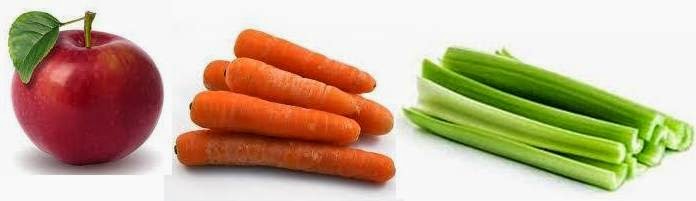
Not surprisingly, the best foods to eat for optimal oral health are also the best foods to eat for overall health – lots of fresh produce! Crisp, crunchy fruits and veggies such as apples, pears, carrots, and celery help to clean existing plaque off of teeth. They are also high in water content which dilutes sugars and acids in the mouth, and promotes saliva production. Additionally, antioxidants and vitamins found in dark leafy greens and berries have been proven to help reduce inflammation in the body, which helps protect against gum disease.

Strong Bones = Strong Teeth
Calcium and certain vitamins, including C and B are essential for building strong bones, promoting cellular growth, and protecting against infection and disease. Milk, cheese, and plain yogurt are all excellent sources of calcium and vitamins, as are meats, nuts and legumes. These foods are naturally low in sugar and also provide phosphorous, which helps to promote the natural process of restoring lost or damaged tooth enamel, through the process of remineralization.

Learn more about how nutrition can impact your oral health or call us at (908) 998-4698 to schedule an appointment!

Friday, July 25, 2014

The History of the Toothbrush


Today, there are countless toothbrush options to choose from – soft or hard bristles, different shapes of handles – all are available in a rainbow of colors! But the modern day toothbrush comes from humble beginnings long ago, and the practice of daily tooth brushing didn’t become mainstream in the United States until the early 1950’s.

Tooth and Chew Sticks
The very first iteration of the toothbrush dates back to 3500 BC in Egypt and Babylon, and was formed by chewing on a twig to fray the ends, which could then be used to rub the teeth clean. Similarly, in China in 1600 BC, people began chewing on sticks from aromatic trees that had natural healing and antiseptic properties.

Bristles

In the 15th century, the Chinese invented the first version of a toothbrush with bristles – which would eventually morph into what we use today. They plucked coarse hairs from northern boars and then affixed them to handles whittled from bones or bamboo.

Bristled toothbrushes were brought to Europe in the Middle Ages and quickly became the preferred method of tooth cleaning. The Europeans however preferred softer fibers such as feathers or horse hair.

In the late 18th century, Englishman William Addis began mass producing a version of the Chinese bristled brush, with the new addition of drilling holes in the handles in which the bristles could be inserted.
Plastic
After the start of World War II, resources became scarce in America, which prompted the use of moldable plastic for the handles. In 1938, Dupont de Nemours introduced nylon bristles, which boasted improved performance and were cheaper to produce. A few years later, soldiers returning after the war brought with them higher standards of dental hygiene, thus popularizing the habit of brushing twice daily.

The toothbrush as we know it today has come a long way!

To learn more, visit our Website or call us at (908) 998-4698 to schedule an appointment!

Friday, July 11, 2014

Raising Kids with Healthy Teeth

Since baby teeth are temporary, there is a common misconception that they are less important than permanent teeth. However, this couldn’t be further from the truth! 

Even as infants, it is vital to start routinely cleaning gums and brushing teeth. Visiting a dentist early in a child’s life is also important, since it establishes a “dental home” and provides education to both parents and children.

Other normal infant and toddler behaviors – such as thumb sucking, pacifier use, and breast or bottle feeding – also have a significant impact on long-term tooth, mouth, and speech development.

Start at the Beginning
Even before a baby gets his or her first tooth, it is a good idea to start rubbing the gums with a soft wet washcloth, to acclimate them to the sensation. Once the first teeth start to emerge, mom and dad should begin brushing them twice a day with a soft “starter” tooth brush and toothpaste that does not contain fluoride. The American Academy of Pediatric Dentistry (AAPD) recommends scheduling baby’s first visit to the dentist by their first birthday.

When Sucking Becomes a Problem
The urge and need to suck is not only natural for babies – it is also necessary, since that is how they get the sustenance they need for the first year of life via breast or bottle feeding. This is the same reason infants will suck on a pacifier or their fingers – it is a natural way to calm and comfort themselves. Long-term however, this habit can cause orthodontic problems, since it can interfere with normal jaw and mouth development, leading to crooked teeth or bite issues. The AAPD recommends discouraging these behaviors after baby turns one, and ending them no later than their third birthday.

Get Kids Onboard
By the age of two or three, a child can brush their own teeth, but an adult should always supervise and assist to ensure it is being done correctly. The easiest way to ensure your children will allow you to brush their teeth – and then continue to do so correctly once they are old enough – is to make it a fun, family activity. In the morning when everyone gets up and again right before bedtime, everyone can have a brushing and flossing dance party in the bathroom. Allowing your child to choose the toothbrush they want to use, and offering incentives, such as stickers or an extra bedtime story, are also effective.

Establishing good habits early on will set you children up for a lifetime of better oral health.

To learn more, visit our Website or call us at (908) 245-1745 to schedule an appointment!